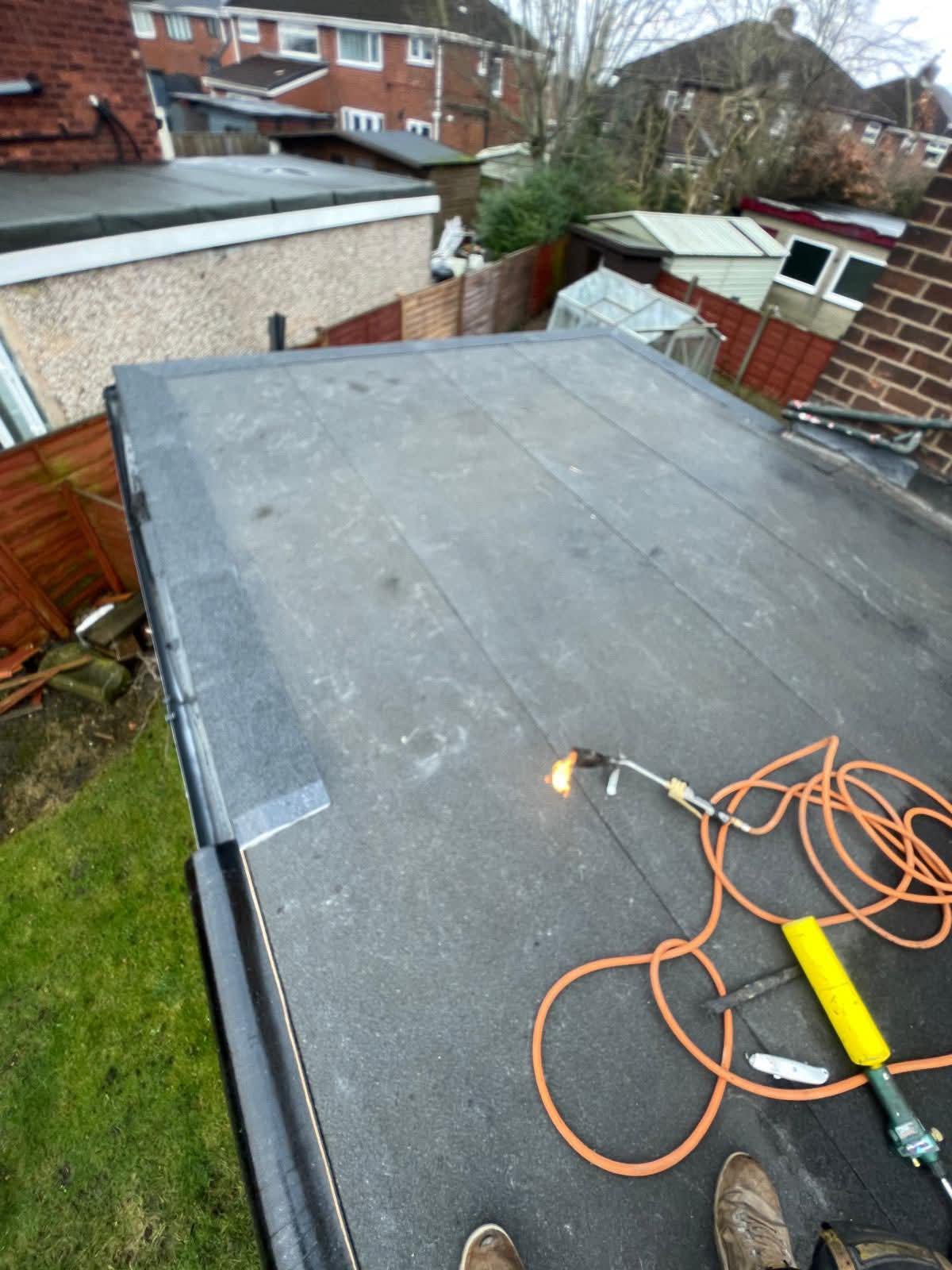
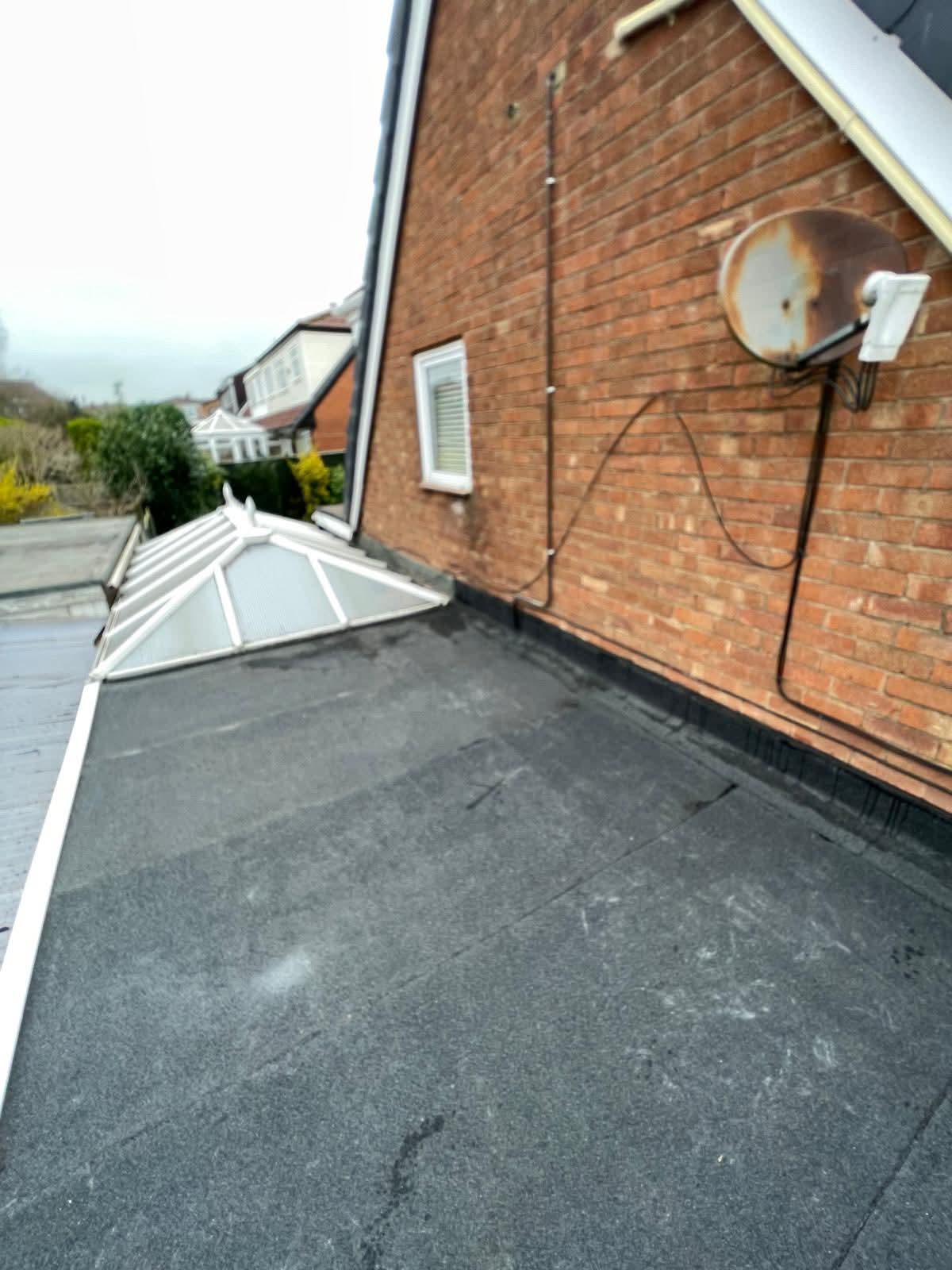
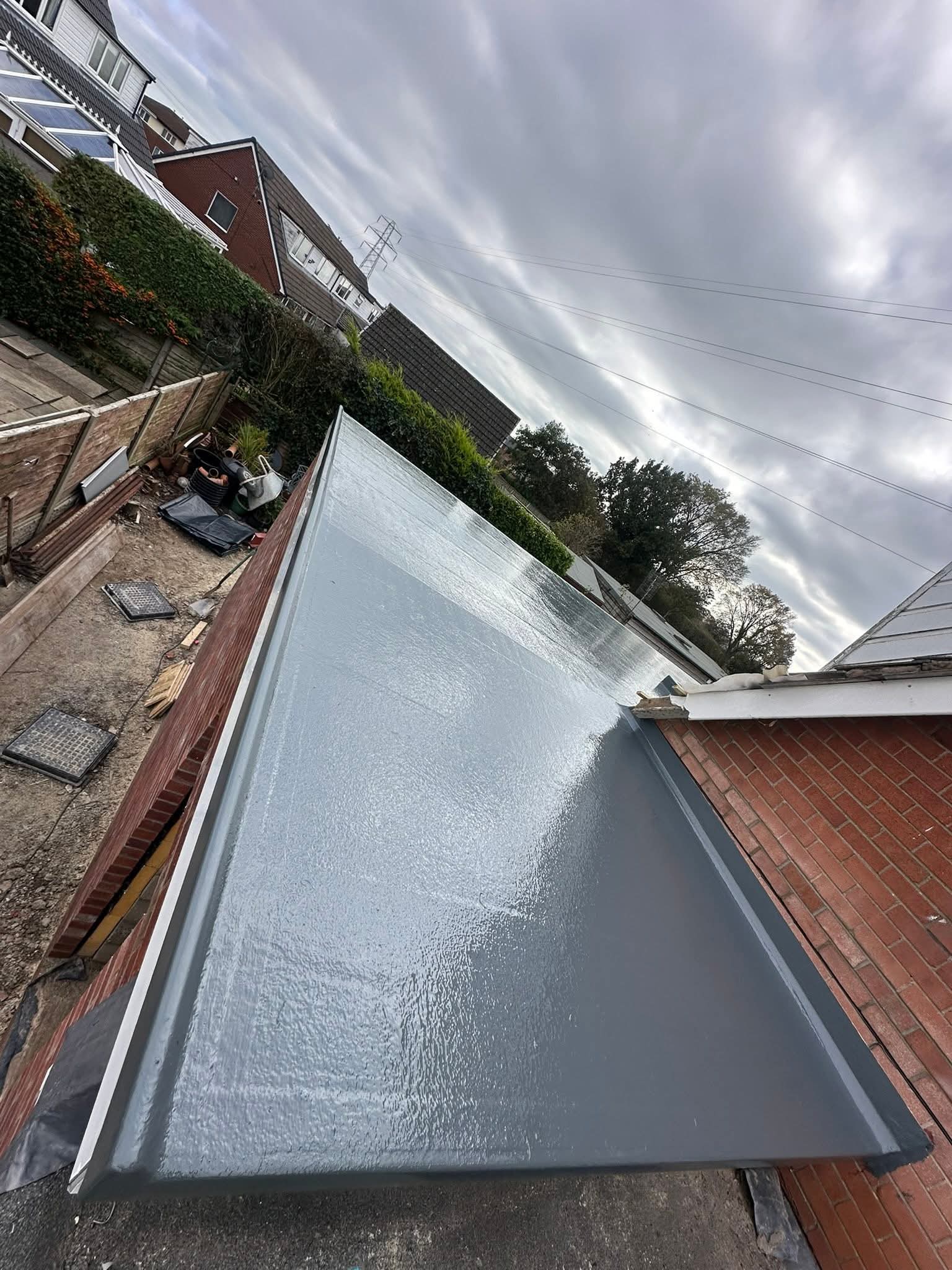
Crisp parapet detail and clean falls — no ponding after heavy rain.
New flat roofs
Flat roofing installation
Choosing the right system
A new flat roof should match how the building is used, how water drains, and what you expect from warranties. We install EPDM single-ply, cold-applied and torch-on felt where appropriate, and GRP fibreglass for seamless, hard-wearing finishes—each specified from survey, not from a default brochure.
The aside and inline quote buttons keep quotation, phone and your services index one click away while you read how we structure decks, insulation and details. That suits owners who want clarity before committing to a full strip or overlay programme.
EPDM, GRP and felt in practice
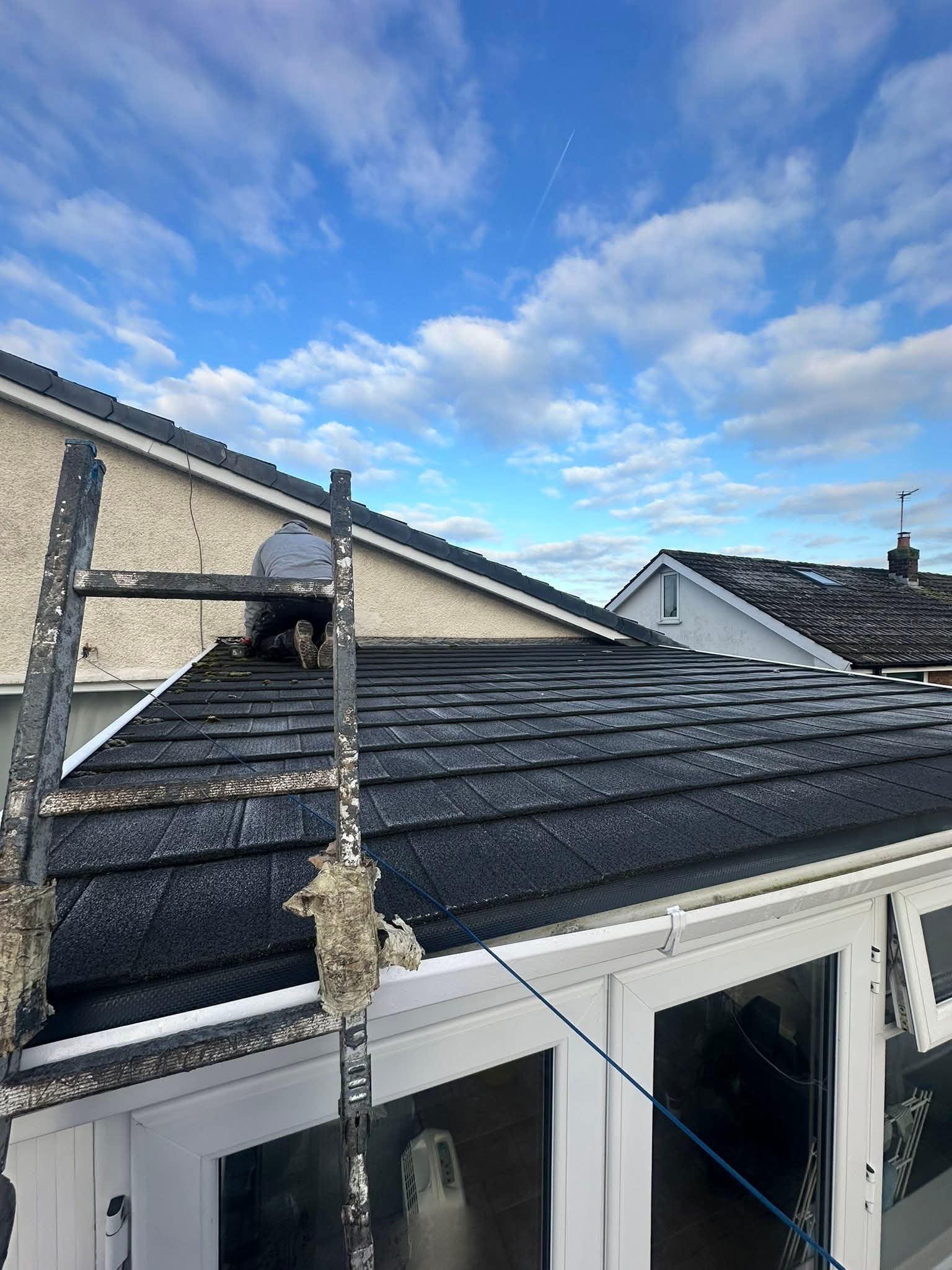
EPDM suits many warm and cold decks when laps and adhesives are installed to manufacturer guidance. GRP gives a joint-free surface ideal for complex shapes and regular foot traffic if designed for load. Reinforced felt remains a proven option when heat-welded or cold-applied build-ups fit the project and access allows safe working methods.
We explain trade-offs honestly—upfront cost, maintenance, repairability and compatibility with existing falls and outlets—so you are not sold a membrane that fights the geometry of your roof.
Planning a new deck or overlay? Request a measured quote and we will align membrane, insulation and falls with how you use the roof.
Survey, structure and falls
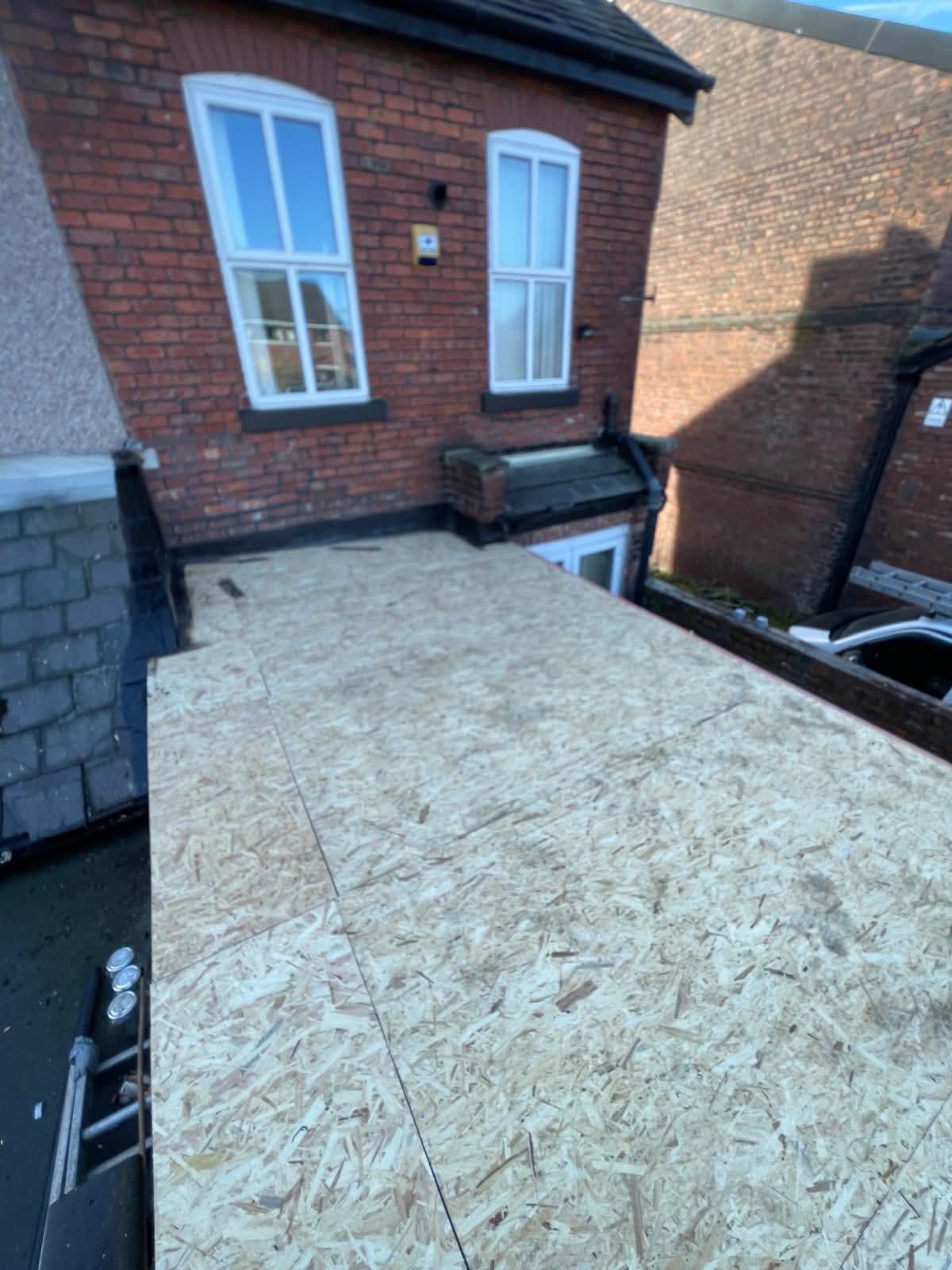
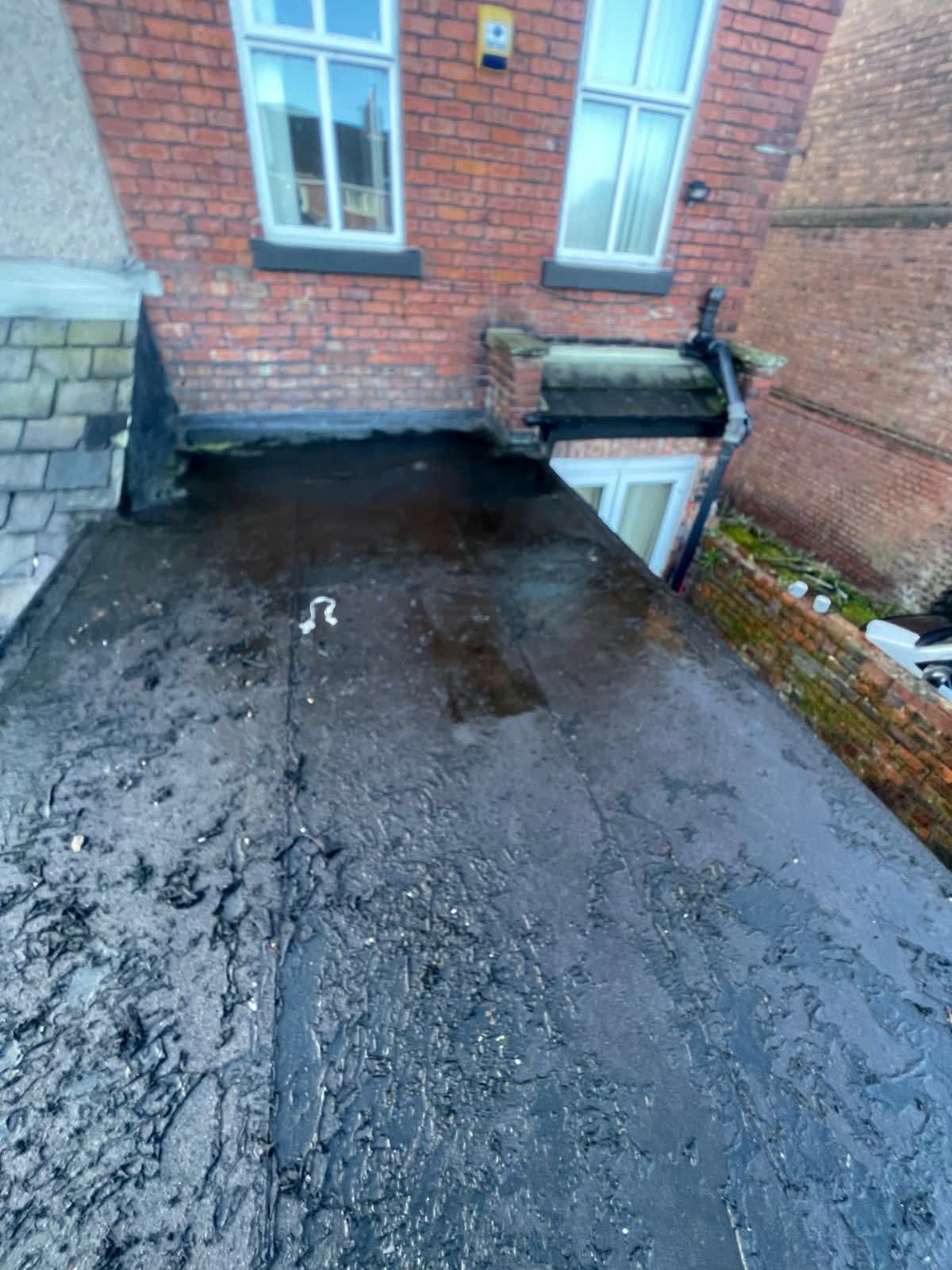
New work often exposes tired decks, saturated insulation or outlets that no longer cope. We photograph substrate condition, note ponding history, and recommend strip-back or localised renewal where overlays would bury problems. Improved falls, firrings or tapered insulation can be integrated when the scope allows.
Safety, edge protection and weather-tight sequencing are planned before strip day so the building is not left open longer than necessary. Hot-work discipline, extinguishers and separation of cylinders follow site rules throughout.
Documentation and handover
You receive a written scope, programme outline, and a contact for questions during works. Manufacturer datasheets, batch references and photographs support warranty registration where applicable. After completion we walk the finished roof with you where practical and highlight cleaning and inspection points.
Records are assembled with insurers and future buyers in mind—layer build-up, key junctions and maintenance notes—so the installation remains explainable years later.
Local delivery
We work routinely in Hillingdon, Uxbridge, Hayes, Slough, Maidenhead, High Wycombe and nearby towns, so access, parking and typical material lead times are priced realistically. That shortens the path from enquiry to a scaffold-ready survey compared with operators working from distance.
Party-wall, freeholder or conservation inputs stay with your professional team where required; we supply specification notes architects request at abutments and penetrations.
Unsure between EPDM, GRP or felt? Tell us your priorities—cost, foot traffic, warranty—and we will recommend honestly from survey.
Pricing and next steps
Quotes reflect membrane type, insulation targets, disposal, access and any out-of-hours constraints. We prefer an honest figure tied to what we have seen over a low bid on a specification we cannot honour safely. Use any quote button on this page or the aside to request a quotation or call when you are ready to move from reading to a site visit.
Warm roofs, cold roofs and condensation risk
Flat roof build-ups are not interchangeable. A warm deck places insulation above the structural deck so the timber stays closer to internal temperatures, which can reduce interstitial condensation risk when vapour control is continuous and ventilation strategy matches the specification. Cold roofs keep insulation between joists or below the deck and rely on through-ventilation paths that must not be blocked when you upgrade coverings. We explain which approach your property likely has, what the photographs suggest, and what a renewal should do rather than what a quick overlay might hide.
Vapour control layers, airtightness at penetrations, and compatibility between adhesives and insulation facings matter as much as the top sheet. Getting that wrong shows up years later as damp deck edges or nail sickness in older sarking. Our surveys call out suspected risks so you can decide whether to invest in a full build-up correction or accept a more limited interim solution with eyes open.
Wind uplift, fixings and ballast
Mechanically fixed or adhered single-ply systems need pull-out resistance from the deck or manufacturer-approved separation layers. Ballasted EPDM trades fixings for load, but parapet height, stone size and guardrail loads must suit the design. On exposed elevations or tight urban courtyards with accelerated wind patterns, we follow manufacturer zoning tables rather than guessing from a generic detail.
GRP and felt systems likewise need edge terminations, chase details and metal trims installed so wind cannot peel a loose tail. We photograph these junctions during installation—not only at completion—so any query about sequence or coverage can be answered from records.
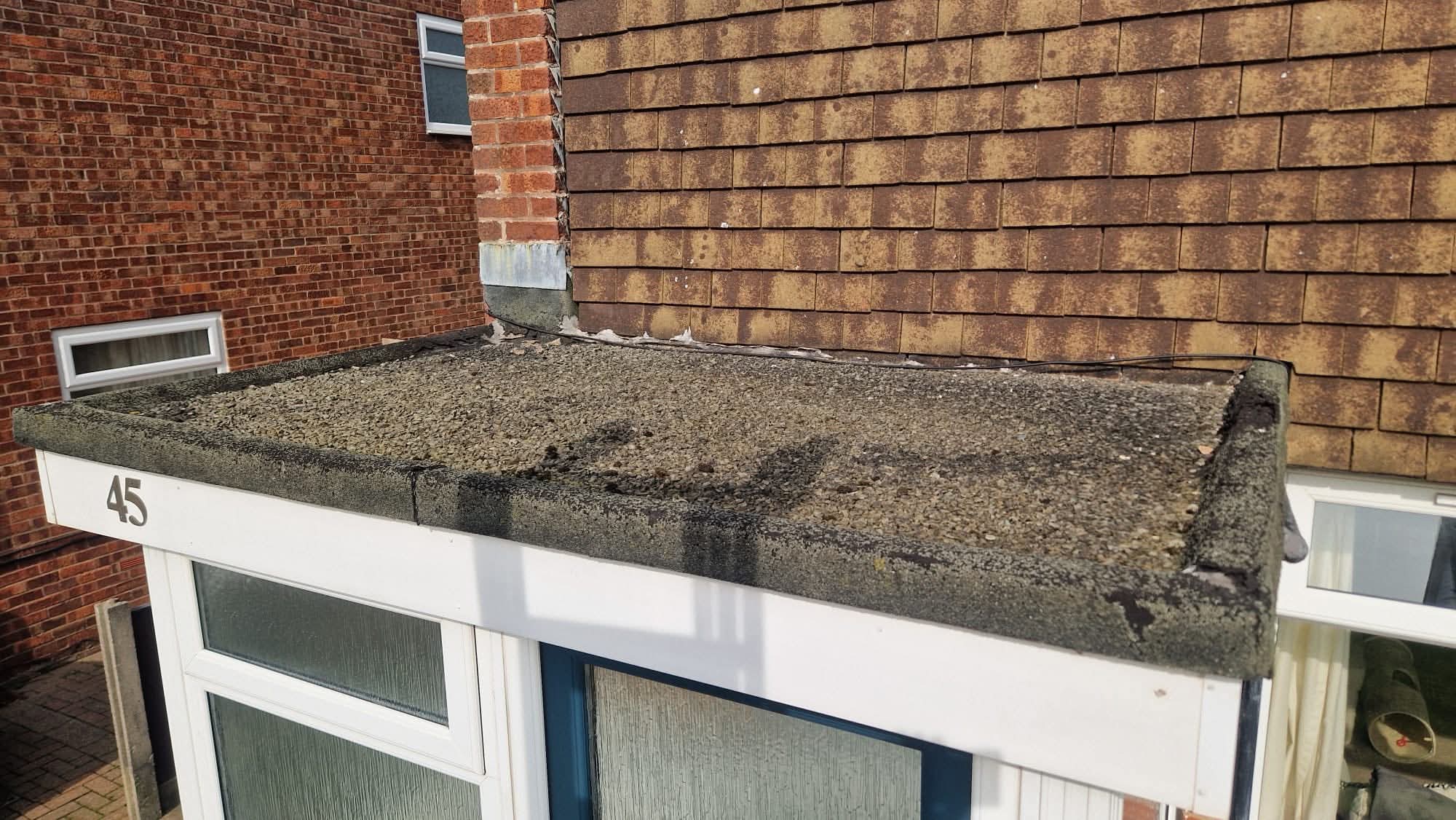
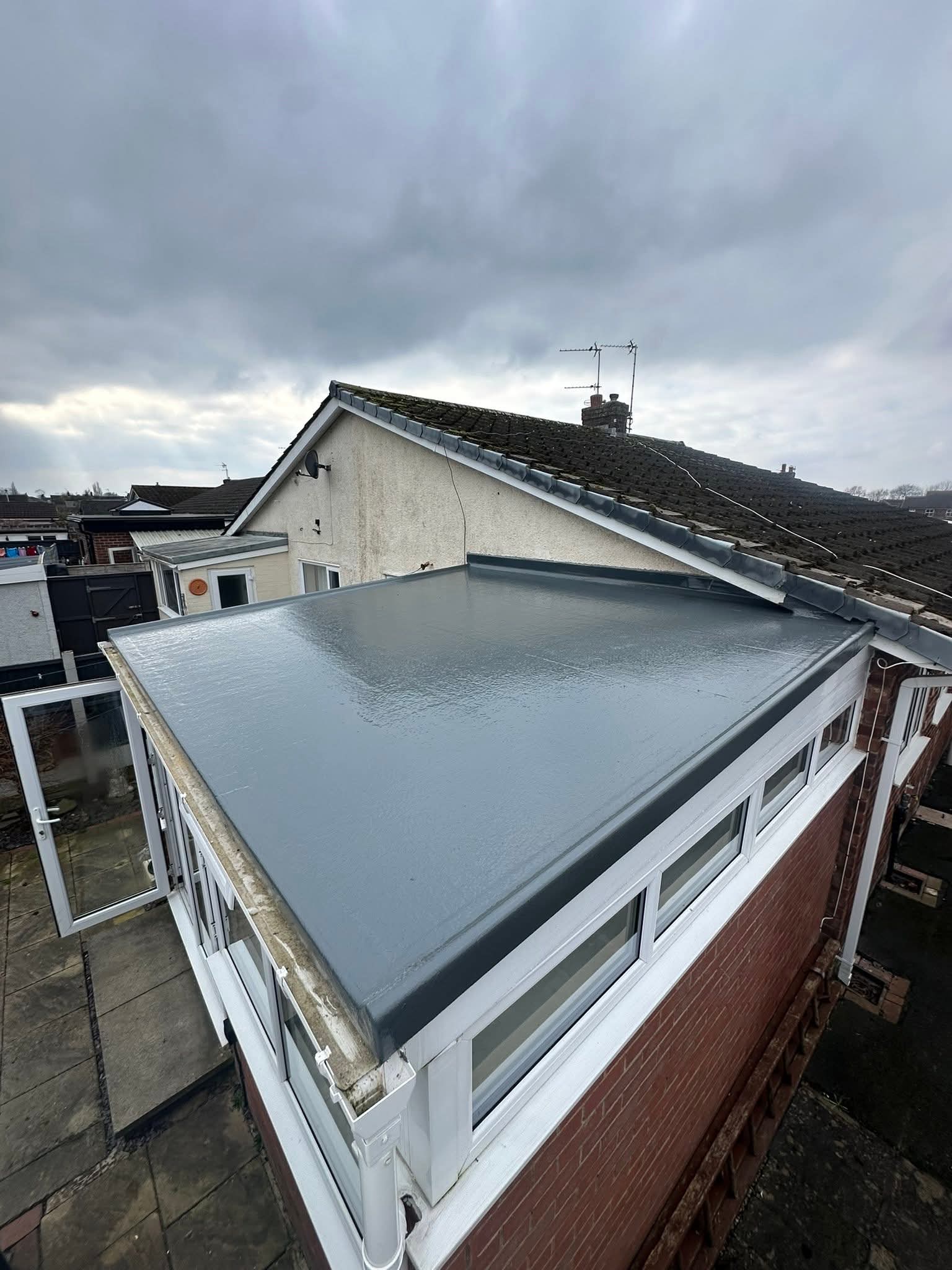
Warm roof, cold roof or condensation worries? A site visit lets us photograph the build-up and price the right vapour strategy.
Thermal performance and practical targets
When you renew a roof you often have a chance to improve insulation thickness, subject to threshold heights, door saddles and planning constraints. We translate U-value aspirations into buildable thicknesses, tapered schemes if ponding is chronic, and realistic compromises when heritage or height limits bite. Where Part L applies, we align proposals with your SAP or SBEM chain so the roof does not become the component that stalls sign-off.
Partial upgrades over kitchens or bathrooms may need coordination with MVHR penetrations and flues. We mark those interfaces on the scope so other trades know who seals what after plant is fitted.
Outlets, overflows and hydraulic common sense
A pristine membrane means little if outlets choke or overflows are absent where guidance expects them. We check leaf load, silt trays, and internal hopper routes on larger roofs. If hydraulic capacity is marginal, we say so and price enlargement or additional outlets rather than hoping the next cloudburst behaves.
Parapet overflows and throat sizes are specified for a reason; trimming them to “make it fit” is a common source of insurance disputes after storms. We avoid that shortcut.
Commissioning, snagging and winter programmes
Final walks cover visible laps, trims, mastic lines, and outlet cleanliness. Snags are listed with dates closed. If frost or film moisture threatens adhesive cures, we pause rather than force a cure window that invalidates warranty. Clients appreciate blunt programme honesty over a rushed Friday finish that fails Monday’s rain.
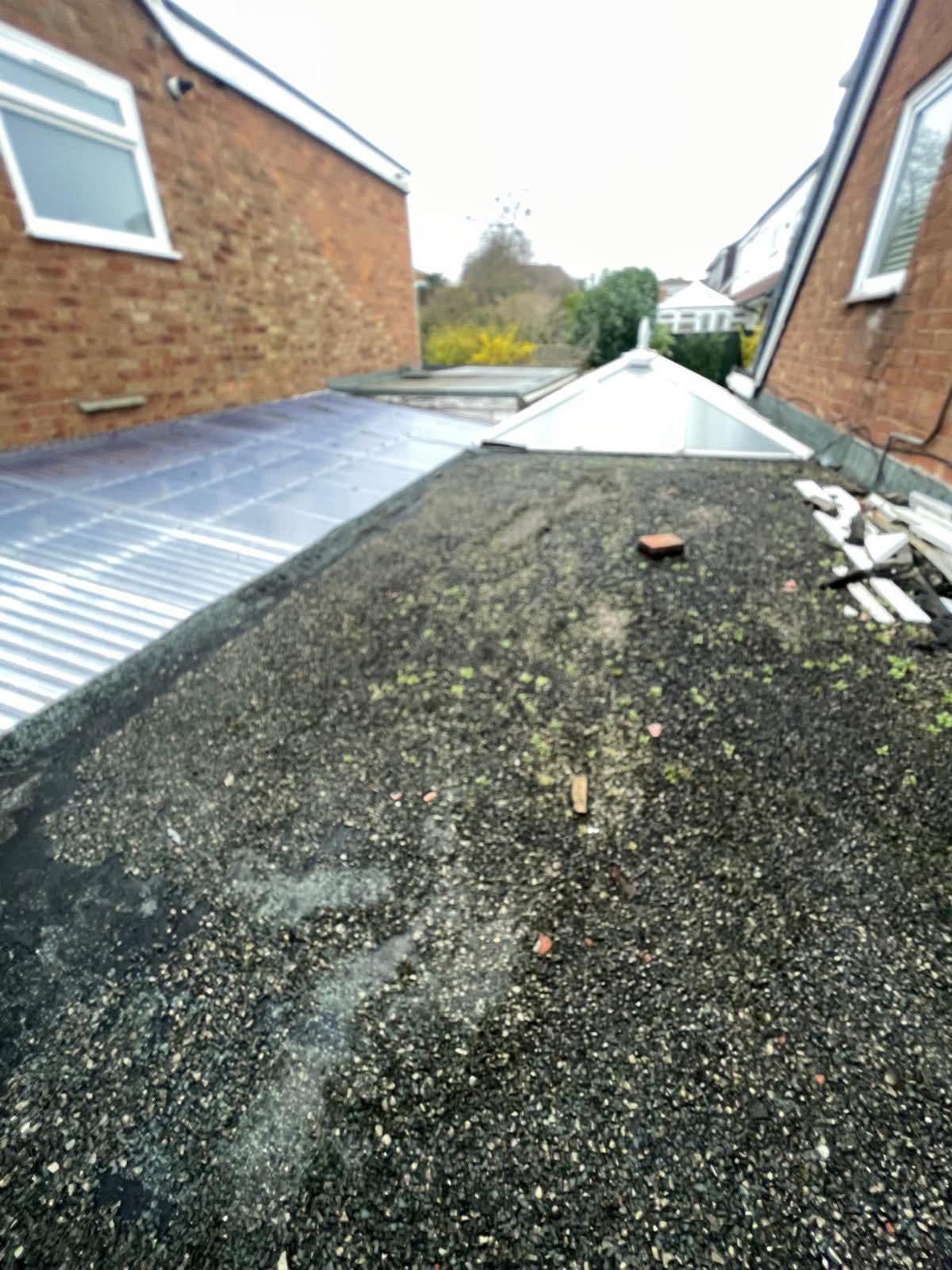
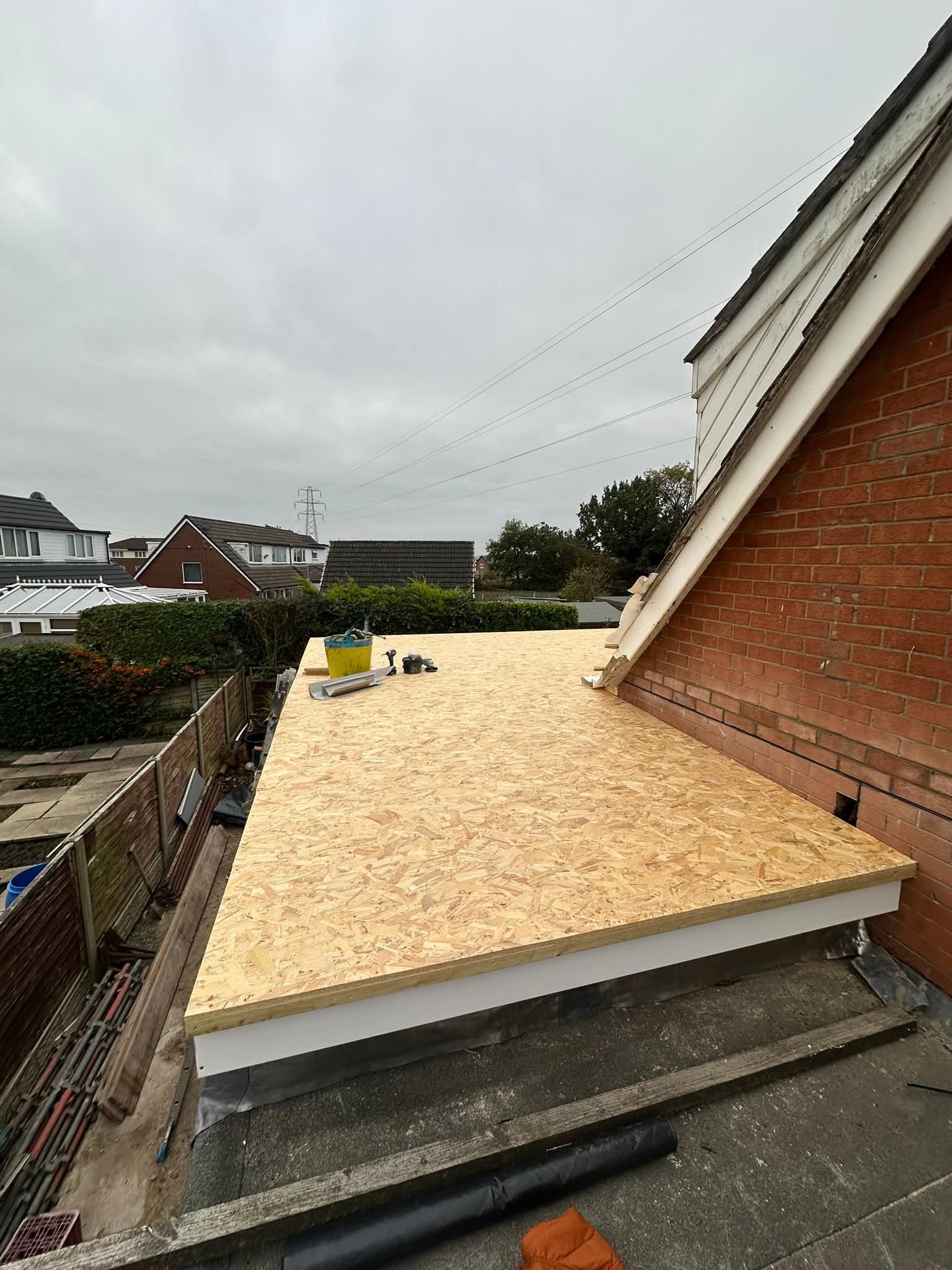
- EPDM single-ply systems installed to manufacturer detail
- GRP fibreglass for seamless, durable flat roof finishes
- High-performance felt build-ups where specified
- Complete new flat roofs from deck preparation to handover
- Local coverage across Hillingdon, Slough, Maidenhead, High Wycombe and surrounds
On-site: more from recent installs
What customers say
Team explained the build-up and warranty clearly. Finished on the date promised.
Fire-rated insulation and bonded membrane — solid underfoot on our terrace.
Fixed leaks we had for two winters. Inspection photos at each stage.
Minimal disruption; they protected the driveway and tidied every night.
Honest quote vs two other firms. Happy to recommend across Berkshire.