Crisp parapet detail and clean falls — no ponding after heavy rain.
New rainwater goods
Guttering replacement
When replacement beats another patch
Sagging runs, repeated joint leaks and corrosion often mean labour to patch exceeds value compared with a measured replacement. We install new gutter systems with correct falls, secure brackets and tested joints—whether you choose sectional uPVC, cast-style aluminium or seamless runs.
Quotation and phone links sit in the quote buttons on this page and the aside whenever you want to move to a site visit.
New gutter installation
Installations start from setting out: outlets, angles and fascia condition dictate bracket spacing and union positions. Old gutters are removed responsibly; fascias are inspected before new fixings load them.
Colours and profiles are matched where possible to estate or conservation expectations.
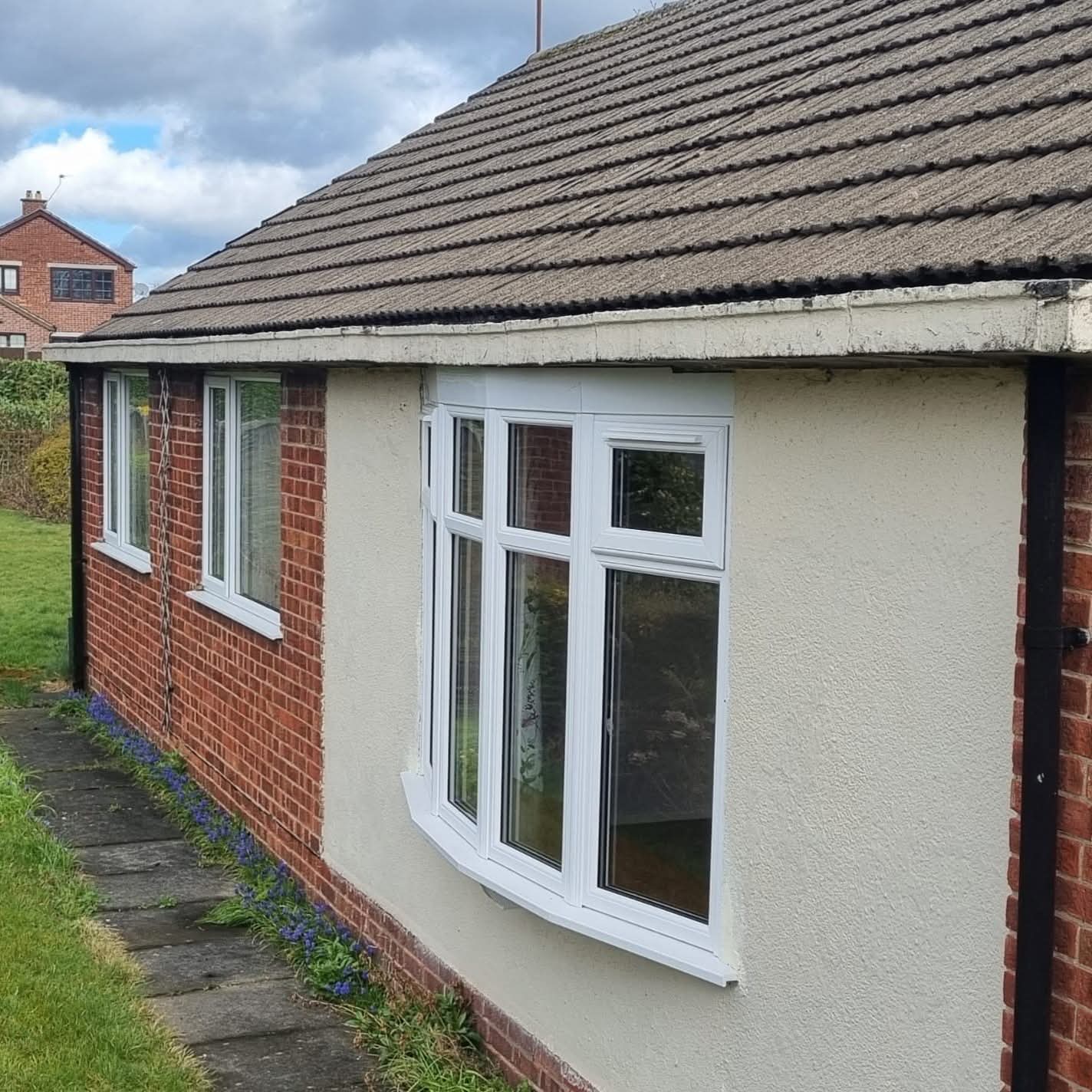
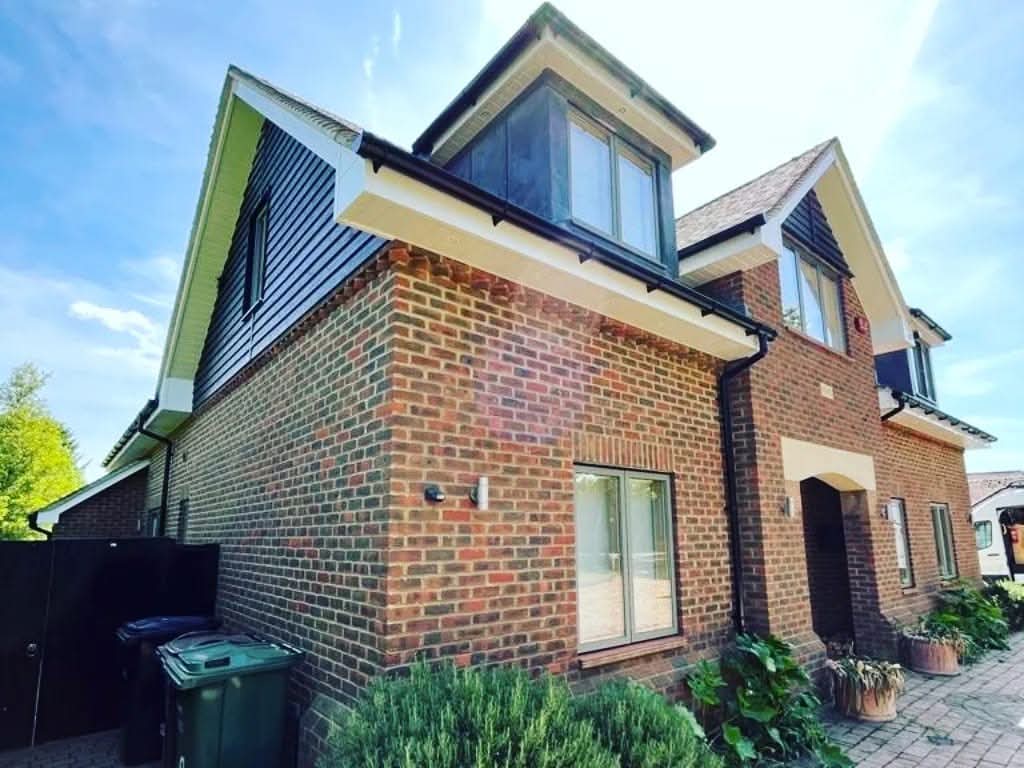
Rusted brackets, leaking joints or wrong profile? Request a quote—we measure runs, outlets and fixings for a full replacement scope.
Seamless gutters
Seamless aluminium gutters reduce union leaks along straight runs by forming lengths on site. They suit many domestic and light commercial roofs when access allows profiling equipment. We explain where seamless ends and sectional fittings still apply at corners and outlets.
Gutter repairs
Not every job needs full replacement. Localised repairs—bracket upgrades, seal replacement, short length swaps—are quoted honestly when the remainder of the system is sound.
Emergency make-safe ties back to our flat roof repair service when ingress is active.
Downpipes and disposal
Downpipes are renewed or connected to existing shoes with flow checks. Waste and old metal are removed through licensed carriers.
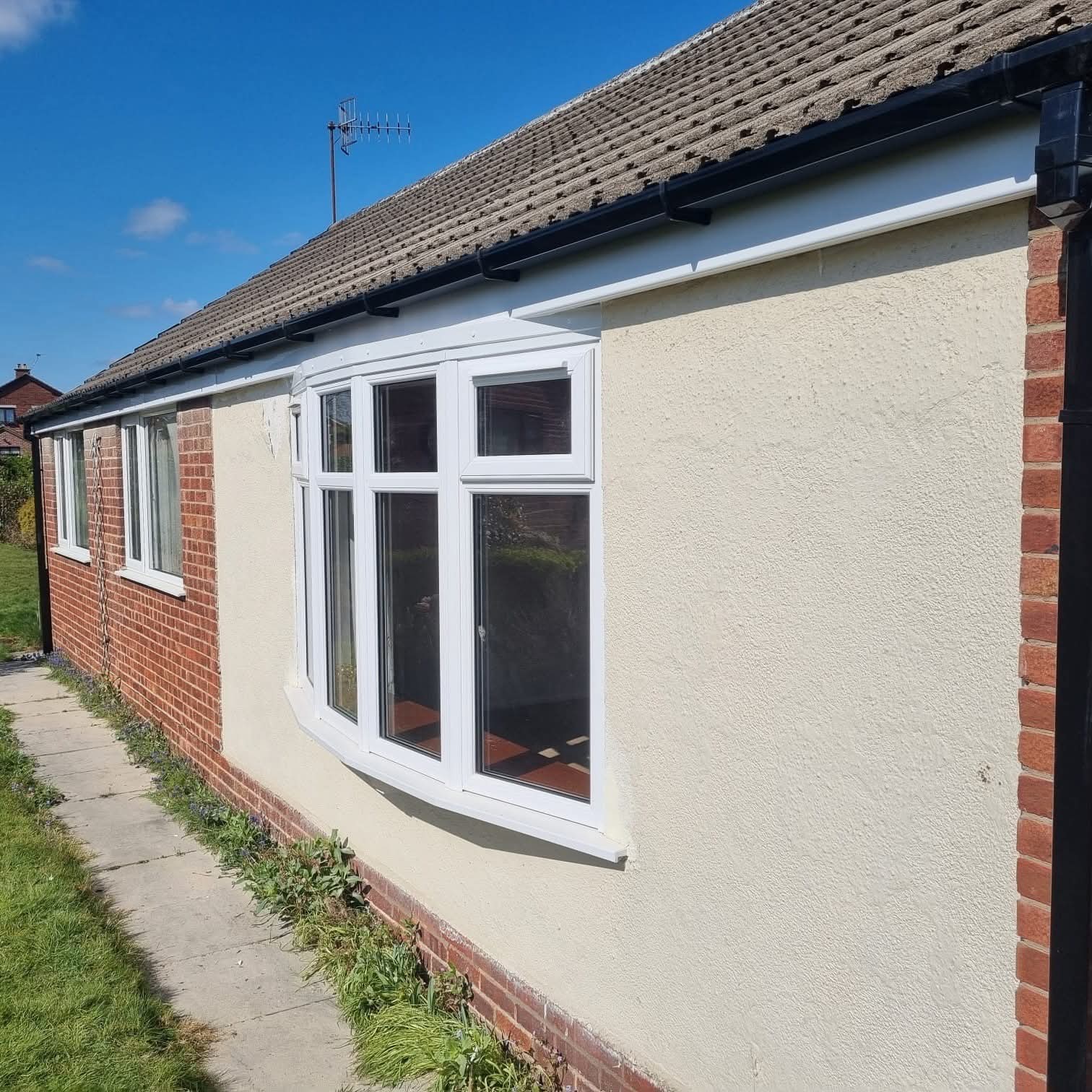
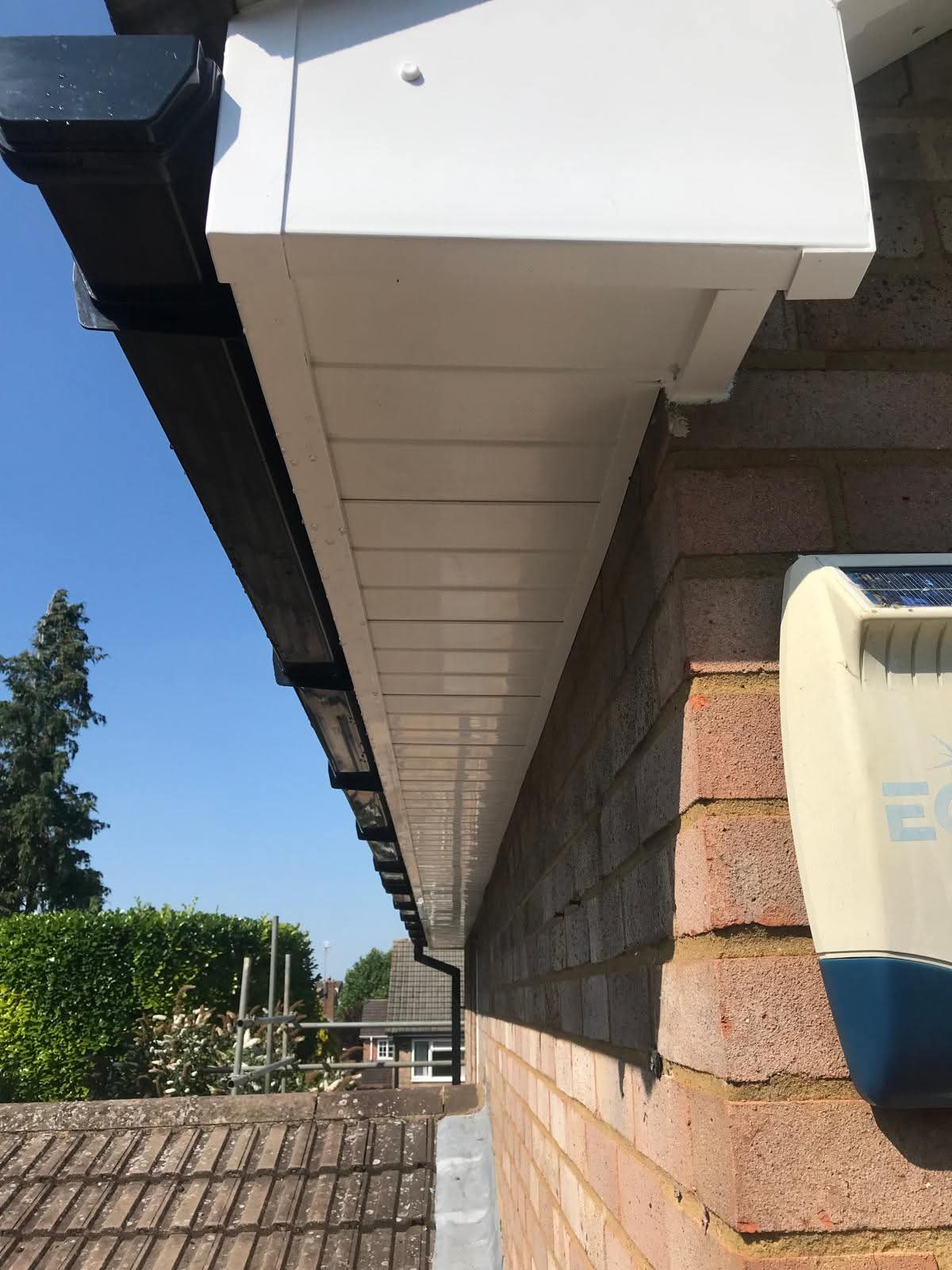
Cast iron, aluminium or PVC—unsure what fits? We match material to the property and your maintenance appetite, not a default stock line.
Local installers
We work throughout Hillingdon, Uxbridge, Slough, Maidenhead, High Wycombe and surrounding areas. Call or request a quote from a button on this page or the aside to book.
Setting out, falls and hydraulic checks
Replacement is a second chance to correct insufficient fall. Laser levels and continuous string lines reveal sagging rafter lines and historic packing mistakes. We discuss incremental improvements—even if perfection is constrained by fascia height—so water moves toward outlets instead of sitting in new trays.
Hydraulic capacity ties to outlet size, hopper choice and downpipe diameter. Upsizing one leg without the others bottlenecks the system; we think in chains, not isolated parts.
Seamless gutters: access, length and corners
Roll-forming machines need level forecourts or yards, safe power, and clearances for long extrusions. Tight mews may favour sectional installs despite seamless benefits. Corners remain fabricated or mitred components; seamless refers to straight runs. We explain where joints will still exist so expectations match reality.
Colour-coated aluminium arrives with protective film; we peel and inspect before hanging to catch transit scratches early.
Fascia and soffit tied to the gutter line? One survey can cover all three so colours, vents and trays are planned together.
uPVC versus metal: movement and noise
uPVC expands audibly on sunny days if clips are over-tight or runs lack expansion provision. Metals conduct heat differently; creaks often trace to friction at hangers. We set clips to manufacturer spacing and lubricate where specified so night-time ticking does not appear after we leave.
Galvanic corrosion matters when steel screws meet aluminium without isolation; we use correct fixings packs.
Hopper heads, spreaders and parapet discharge
Large flat roofs may discharge to hoppers that overwhelm domestic gutters if paired incorrectly. We size receivers or suggest split flows. Spreaders must sheet water evenly; misaligned spreaders cause localised overshoot and façade staining.
Parapet chutes need clearance from pedestrian heads and guarding where drops are sharp—we align with building safety common sense.
Repairs versus renewal decision trees
If three quarters of a run is sound and colour-matched stock exists, sectional replacement plus realignment may beat wholesale change. If clips are uniformly fatigued and UV has embrittled profiles, renewal is cheaper than serial call-outs. We document the reasoning in writing.
Insurance may fund storm damage selectively; we separate wear-and-tear items so your submission stays accurate.
High-level or conservation-sensitive frontages? Tell us early—we allow for scaffold, tower or rope access in the programme.
Powder coat, touch-up and long-term care
Factory finishes need correct handling on site to avoid edge chips. We touch up according to manufacturer guidance and advise on cleaning intervals that protect warranties—typically no aggressive solvents on matt powders.
Coastal or flight-path pollution may need gentler, more frequent rinses; we note environmental factors in handover sheets.
Coordination with flat roof and fascia programmes
Gutters should be the last line fixed after fascias and membranes are dressed, unless temporary fall arrest needs require alternate sequencing. We programme with your flat roofing team if both scopes run together to avoid foot traffic on fresh trims.
Penetrations for future solar or heat-pump lines can be sleeved now at low cost compared with retrofitting later through new gutters.
Warranty, workmanship and aftercare
Manufacturer-backed systems may need registration and photographic evidence of clips, overlaps and sealant beads. We retain those images. If wind damage occurs, fair assessment asks whether fixings met spacing; our records answer that quickly.
Annual visual checks after autumn leaf fall catch bracket creep before it becomes a cascade failure—simple advice that saves emergency fees.
Insurance or buyer survey flagged rainwater goods? We document before and after with photos you can file with the paperwork.
Rainwater harvesting and overflow priorities
When tanks fill, overflows must shed water without pressurising gutters upstream. We check overflow routes during replacement and advise if diverter valves need servicing.
Lightning, bonding and metallic runs
Long continuous metal gutters may require equipotential bonding considerations on some buildings. We follow your electrician’s instruction sheets when bonding points are specified; we do not improvise earth paths. Plastic sections breaking a metallic run can isolate parts.
Snow load, ice dams and northern elevations
Shaded north faces hold frost longer; ice can lift clips if expansion is constrained. We allow movement details appropriate to material and discuss heat tape only where electricians design loads. Steeper nearby roofs shedding snow can damage valley gutters below; we suggest guards or setbacks where geometry allows.
Access for future maintenance
We leave rodding access where practicable, avoid boxing unions behind decorative cheeks without inspection hatches, and label hidden outlets inside parapets on handover sketches. Future you—or the next owner—should not need destructive strip to clear a choke.
Colour, kerb appeal and estate standards
Developers’ design guides sometimes mandate specific gutter colours and downpipe positions. We sample against brick and render before bulk order. If you plan to repaint façade soon, we sequence gutter hang after scaffold days to avoid overspray conflicts.
- New gutter installation with correct falls and fixings
- Seamless aluminium options where suitable
- Gutter repairs and realignment
- Downpipe upgrades and flow testing
- Local coverage across Hillingdon, Slough, Maidenhead, High Wycombe and surrounds
What customers say
Team explained the build-up and warranty clearly. Finished on the date promised.
Fire-rated insulation and bonded membrane — solid underfoot on our terrace.
Fixed leaks we had for two winters. Inspection photos at each stage.
Minimal disruption; they protected the driveway and tidied every night.
Honest quote vs two other firms. Happy to recommend across Berkshire.